In June we completed our first in-school pilot at Plymouth College: an AI design and technology lesson.
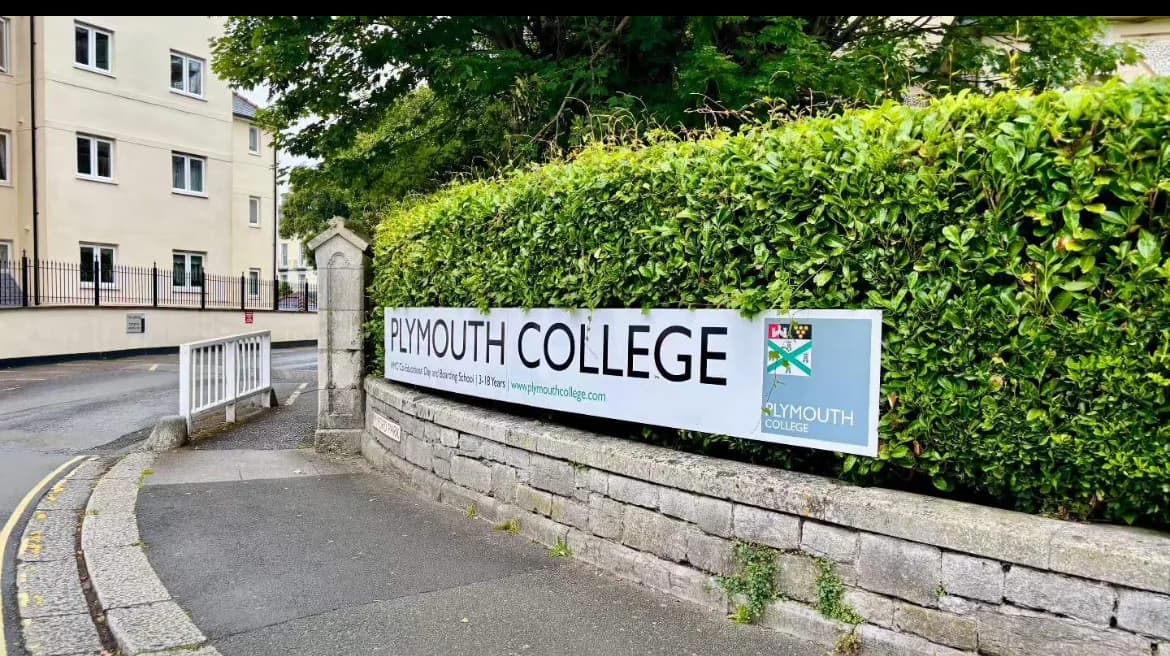
Plymouth College, founded in 1877 in Devon in the south-west of England, is an independent day and boarding school known internationally for its swimming programme, which has produced Olympians and world champions.
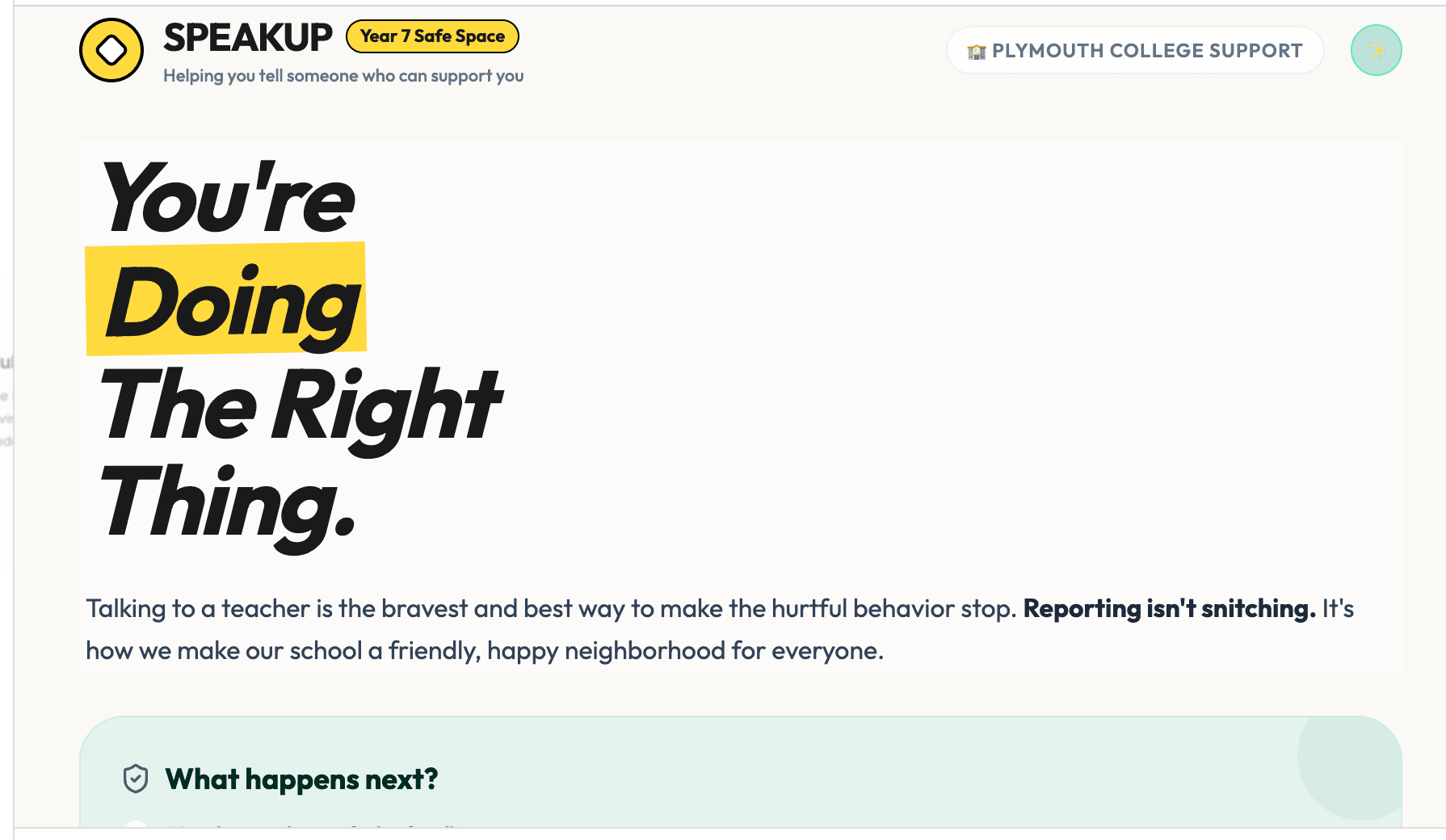
We worked with around 30 Year 9 students. The brief: design a prototype to help the Year 7s arriving in September (around 11 to 12 years old) settle into their first week at a new school. The building tool was Google AI Studio. By the end of one lesson, the class had made 22 working prototypes, small apps you can open and use in a few clicks. One student built a tool for reporting bullying, so that a new student who is being picked on can tell their form tutor in a way that feels less frightening.
If the story ended there, this would be just another lesson where children made things with AI. But those 22 prototypes are the part of the lesson we value least.
The prototypes are not the most important outcome of this pilot. The most important outcome is that the path each student took to reach their prototype was recorded.
Step one: turn the AI off
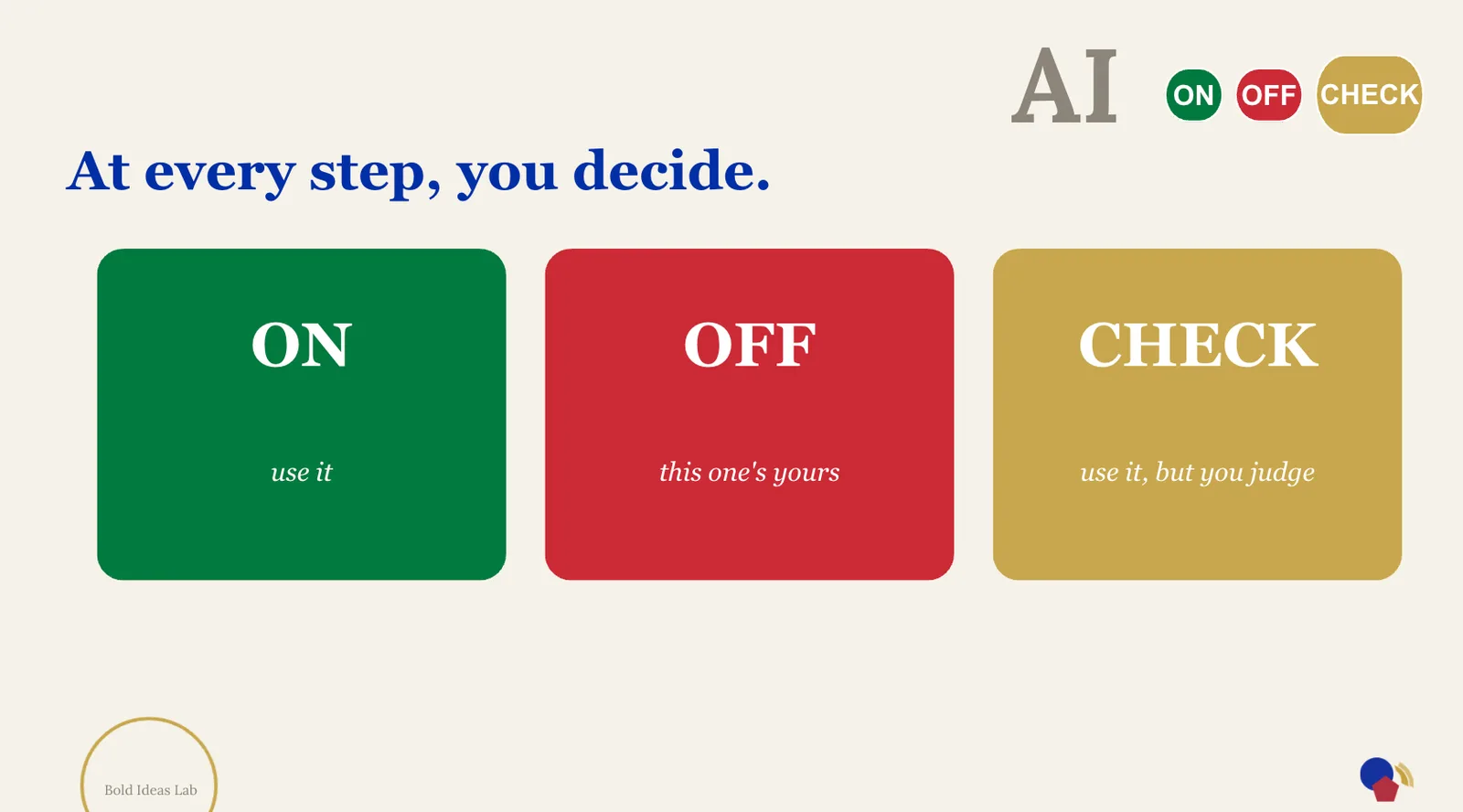
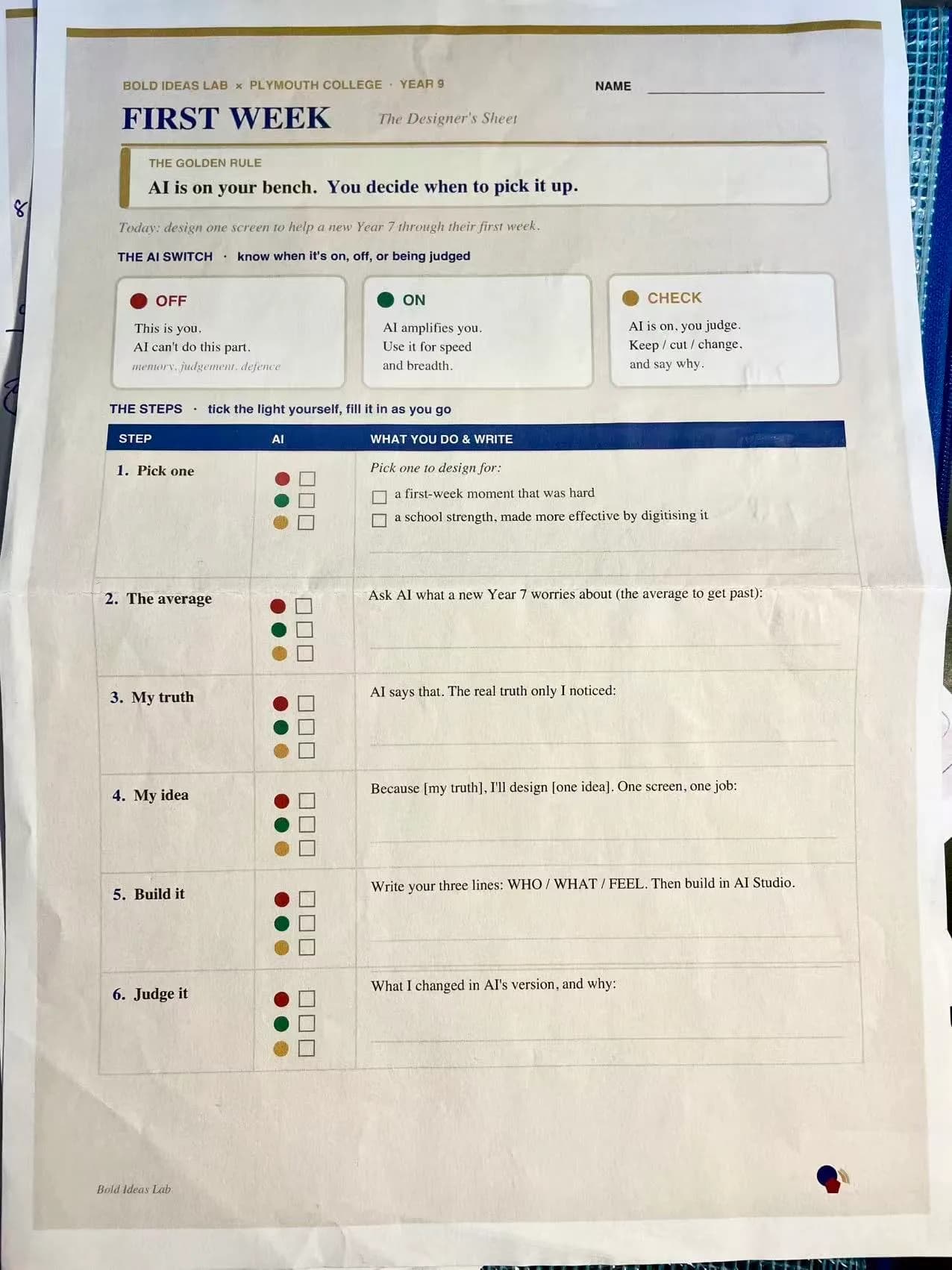
Before touching AI, students worked on paper. Each of them drew on their own real memories of starting school to write down what the true problem was. Only then did they ask the AI, set its answers against what they already knew, understand what an average answer is, and decide what to keep, what to change, and what to throw away. AI was one tool on the workbench, and the students decided when to pick it up. The AI on-off cards and the student design logs ran through the whole design process.
How they treated the AI's answers
What you get this way is evidence of judgement, not just evidence of output. One student rejected the AI's assumption that homework would be a new student's biggest worry in the first week; for her, it was finding someone to sit with in the dining hall. Another would not let a revision app delete the hard questions, because the difficulty is where the learning lives. A third saw the flaw in the AI's points-based scheme for making friends in welcome week: it would rush a new student into social choices.
Using AI and directing AI are two different abilities
Our curriculum is built around exactly this distinction: using AI and directing AI are two different abilities. A student who can write prompts for a model may not be able to tell when the model gets their real life wrong. That second ability sits where AI literacy meets critical thinking. It is the one we most want to teach, and it can be trained.
The same gap shows up in teachers. In the lunchtime CPD session with 11 teachers, using AI was already routine for most. Building workflows and systems with AI, and directing several AI agents at once, was much less familiar. That distance is the same for adults as it is for students.
What should a workshop leave a school?
A workshop should not end with a few screenshots and a thank-you message. After the lesson, we analysed the 30 handwritten design logs and the prototypes built from them, and put together a report for the school: what the children care about most (organising homework, finding classrooms, fitting in, feeling safe), and where they made their own judgements about the AI.
So what the day leaves behind is a record the school can actually read: what the children thought, and what they judged. It can be reviewed, shared internally, and used for later planning. Judgement should belong to the people in the classroom. What we do is make it easier to see, organise, and discuss once the lesson is over.
The design of the student workshop, including the theme, the AI on-off cards, the student design logs, and the teacher guidance cards, was led and designed by co-founder Lynn. The in-room support for the student workshop, the facilitation of the teacher CPD, and the post-lesson report were owned and delivered by co-founder Jacky.
If you are a school, a parent, or an educator and would like to see the student AI on-off and design log sheets we used, message us. We are happy to share them.
Also published on LinkedIn · View
Stay close to the thinking.
For programme questions, partnerships, or future essay collaborations, contact the lab.